
Windsurf Studios
The system I built at a scrappy startup didn’t just survive the jump to Google. It outran every content engine already there.
The system I built at a scrappy startup didn’t just survive the jump to Google. It outran every content engine already there.
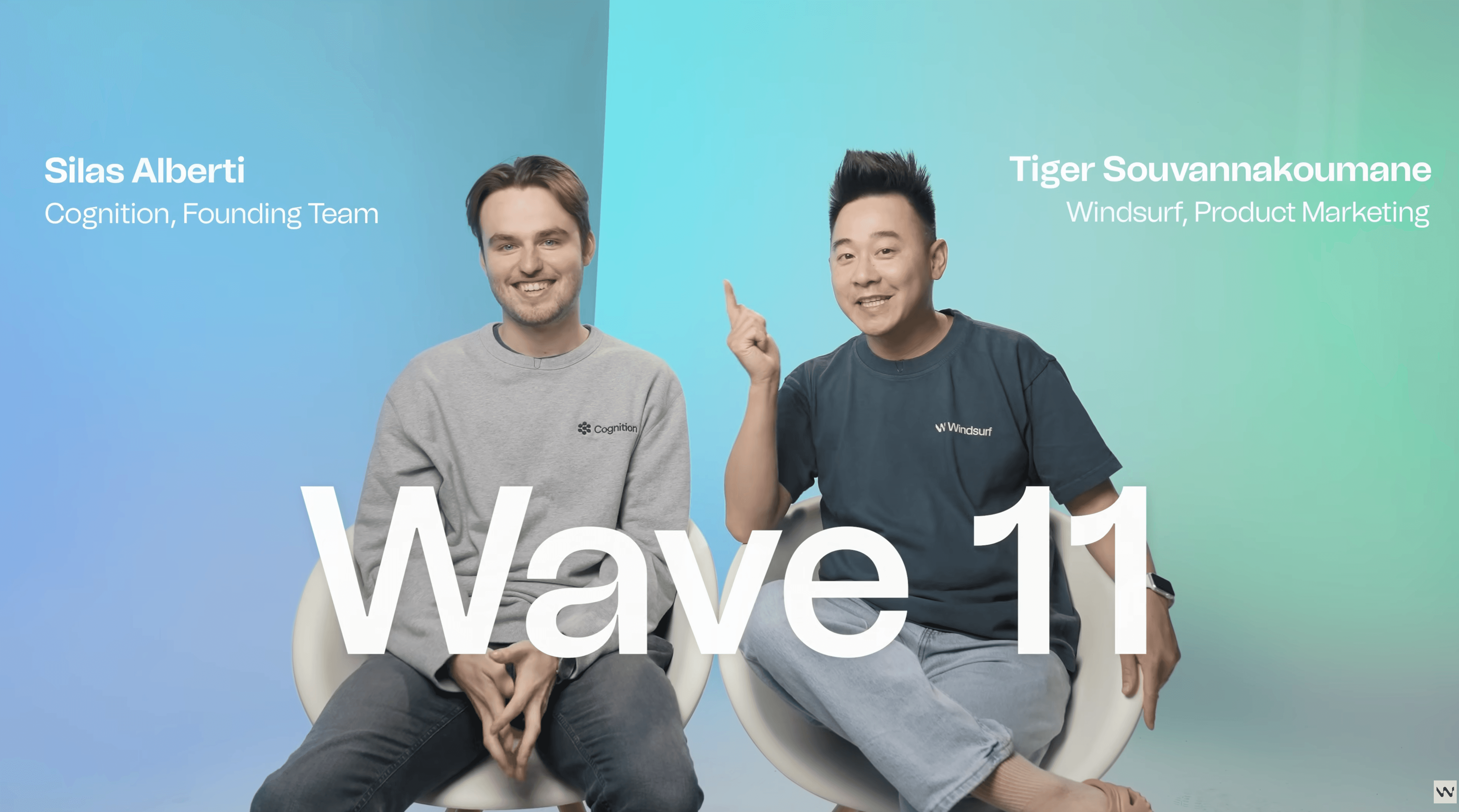
I joined Windsurf as part of its founding product marketing team, bringing content experience to the table. None of this existed yet, no studio, no workflows, no way to flex capacity when we needed it, so I had to build it from scratch. I had a camera, a few pieces of gear, and engineers who could explain what they were building but had never been on camera. What I built over the next year wasn’t just a room. It was a room, a set of repeatable workflows, and a freelance network I could call on to grow capacity on demand. That system proved itself when I moved to Google DeepMind for the Antigravity launch: I rebuilt it almost plug and play, and it moved faster and more agile than any content engine already established there.
Challenge
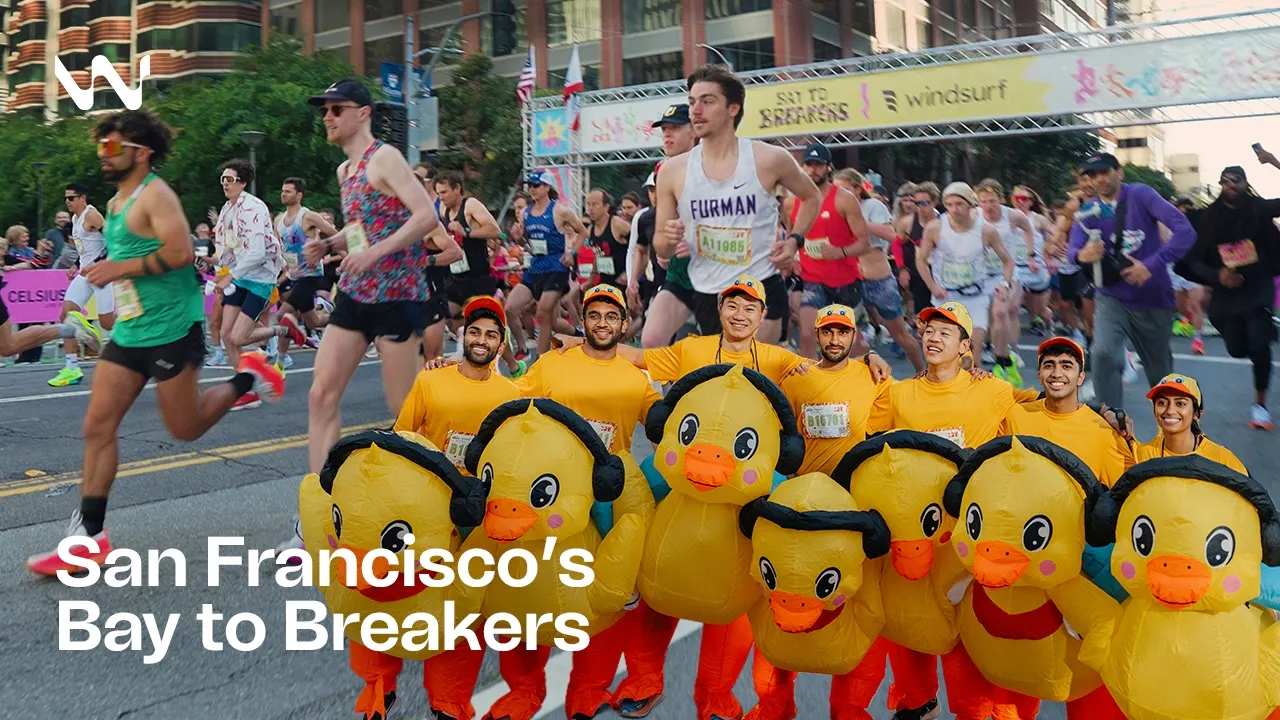
Marketing couldn’t be the reason a launch slowed down. It had to move as fast as the product did.
Windsurf’s whole advantage as a startup was speed, and the product was always changing under us. Marketing couldn’t be the reason a launch slowed down: if engineering could ship in days, marketing needed to move in days too, not ask for extra time to prep. That meant the way we made content had to keep pace without losing the technical accuracy that only came from getting real engineers on camera. The setup and breakdown cycle we were stuck in was part of the problem, it was quietly costing us hours on every shoot, but the real challenge was bigger than logistics. I needed a system built to move at the product’s speed: a room, a team, and a set of workflows that all moved together.
Solution
The solution was one system: the room, the team, and the workflows, built to move together.
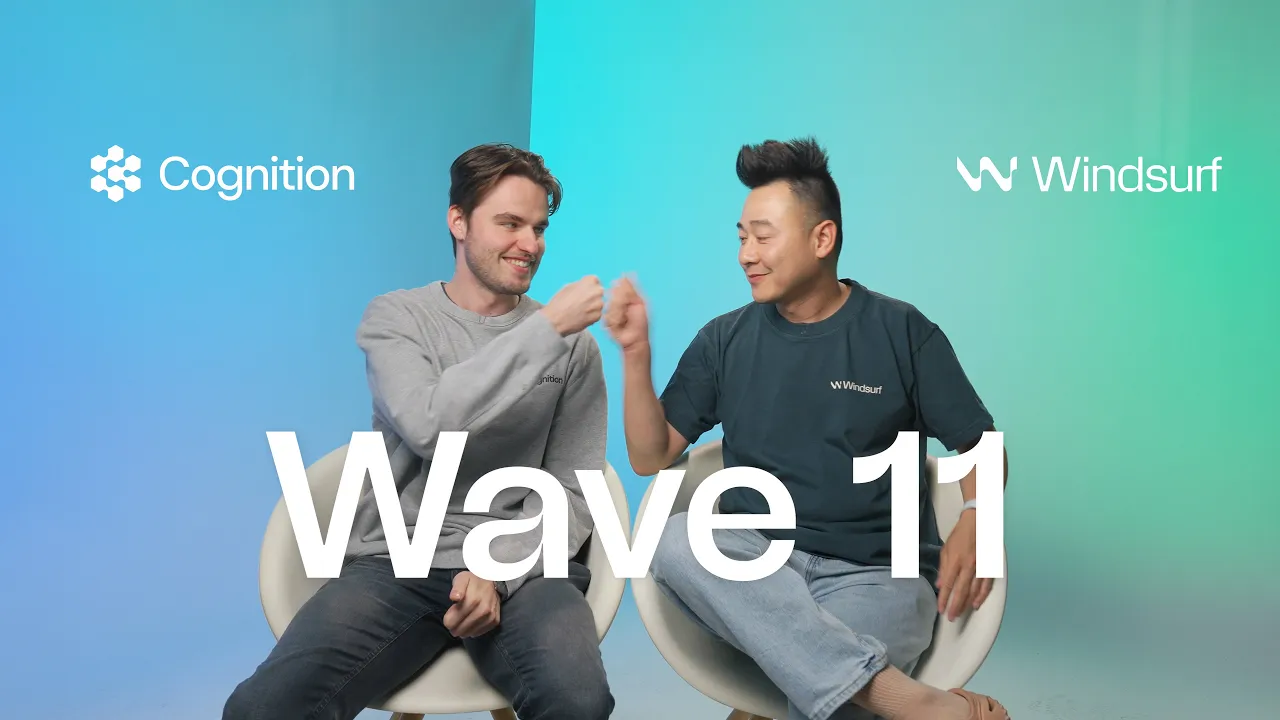
I worked with our office manager and the founding team to claim a room nobody else was using, just for storing equipment. That solved the setup and breakdown problem right away. From there, I built out heavier gear gradually over the year, growing the space into a real studio with a distinct visual identity, so a video felt recognizably Windsurf from the first frame. I designed the gear plan in tiers on purpose, a starter kit, a mid-tier step up, and a heavy-duty setup to grow into, not a one-time purchase to outgrow. A teleprompter turned out to be one of the highest-leverage pieces. It let me direct engineers on the spot instead of asking them to memorize a script.
My team philosophy came from BuzzFeed. I joined at a moment when digital media was disrupting traditional media, and the best people there were full-stack storytellers. They could shoot, ideate, edit, and write scripts, the whole thing end to end, instead of splitting every task into its own specialized role the way a traditional agency would. I carried that instinct into Windsurf. I needed small, agile, embedded teams that could flex into whatever area needed them, and that flexibility is what actually let us move faster, because it removed the functional barriers that usually slow a team down. When I started hiring more people, I looked for the same thing: jack of all trades, but genuinely expert at one or two things, so they could go deep where it mattered and still pick up wherever a gap opened up.
Because I came from a creative background myself, I understood what creative people actually wanted: not more rules, but more freedom. I gave people ownership and real responsibility, and let them bring their full selves to work instead of boxing them into narrow lanes like “I only shoot” or “I only edit.” Even with a small, ambitious team, that sense of ownership gave people energy instead of draining it. Because everyone had a flexible mix of skills and the freedom to use them, the whole team could contribute anywhere it was needed, which is what let us work faster, more efficiently, and with more impact.
I started as the only person on this, still focused on product marketing while doing the production work myself. I brought on one other well-rounded producer who could ideate, shoot, and edit, covering wherever the gaps showed up. Once I identified that post-production was the real bottleneck, I started building a freelance editor roster to flex our capacity on demand instead of hiring for a fixed headcount. At peak, four editors were helping us.
Underneath all of it were the systems: file naming conventions, transfer processes, editing templates, and playbooks for new contributors so they could plug in fast without slowing anyone down.
Result
The system didn’t just work at Windsurf. It traveled.
Windsurf ended up with a repeatable content engine (room, workflows, and freelance roster together) that supported product demos, launches, update videos, and educational content, and gave engineers a credible way to speak directly to other developers instead of sounding like traditional marketing. Waves, Windsurf University, and the Gartner Magic Quadrant campaign all ran on this system. Then I moved to Google DeepMind for the Antigravity launch with two months to onboard and ship everything: the system, the team, the materials, all rebuilt almost plug and play and held to Google-grade standards. I managed five editors across nine launch videos on that timeline. The proof wasn’t that it worked once. It was that it worked twice, in two completely different environments, just as fast the second time.
Next
Project.
Each project shows how I approach design, structure, and development.
