

Google Antigravity Launch
A defining moment for where Google is headed with AI, built from scratch in two months.
A defining moment for where Google is headed with AI, built from scratch in two months.
Following Windsurf’s acquisition, Google DeepMind launched Antigravity, its agent-first developer platform. We had a lot to say and had to prove it fast. It was my job to tell our story, tell the Antigravity story.
Challenge
How do you build credibility and hype in your very first public moment?
Varun Mohan, Windsurf’s CEO, hadn’t posted since the acquisition, giving us a real moment to make some noise. We also had a bold claim to prove: we are an agent-first developer platform built for the next era of agentic development. This was Antigravity’s first chance to speak publicly, and we had two months to turn that moment and that claim into a launch that actually delivered.
Solution
A teaser, a launch video, a beginner’s guide, and real use cases, all telling one story.
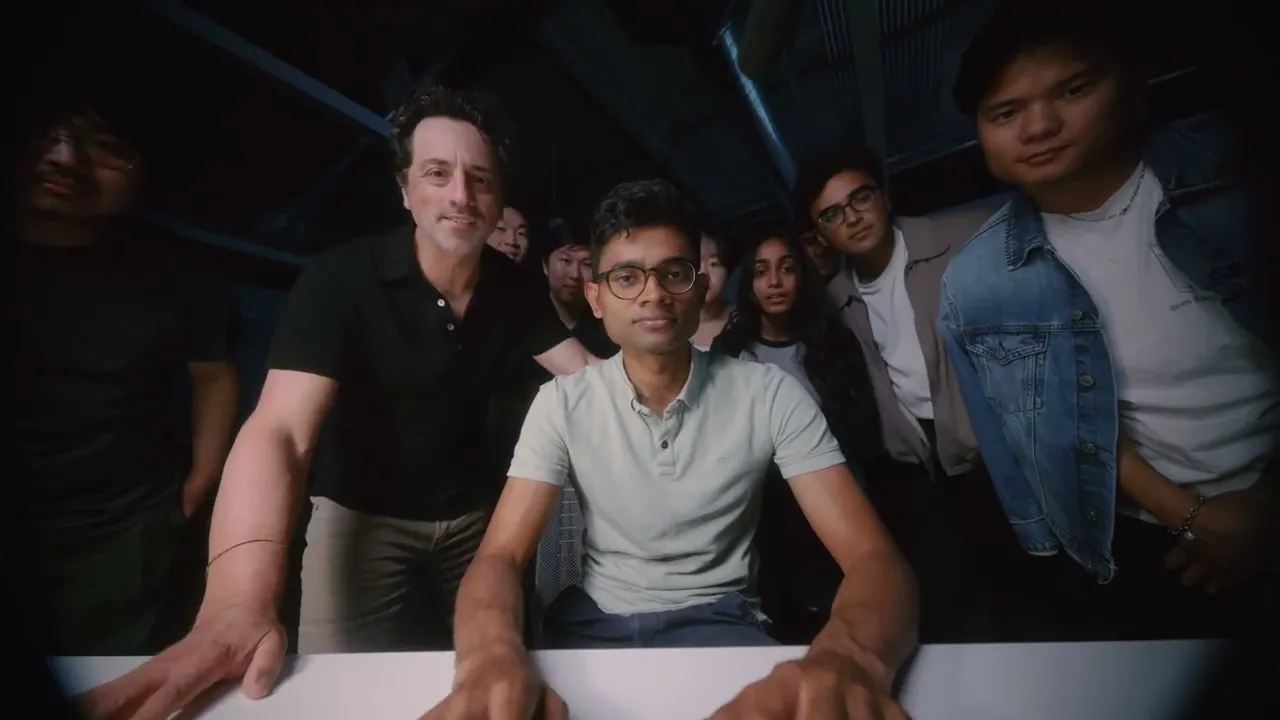
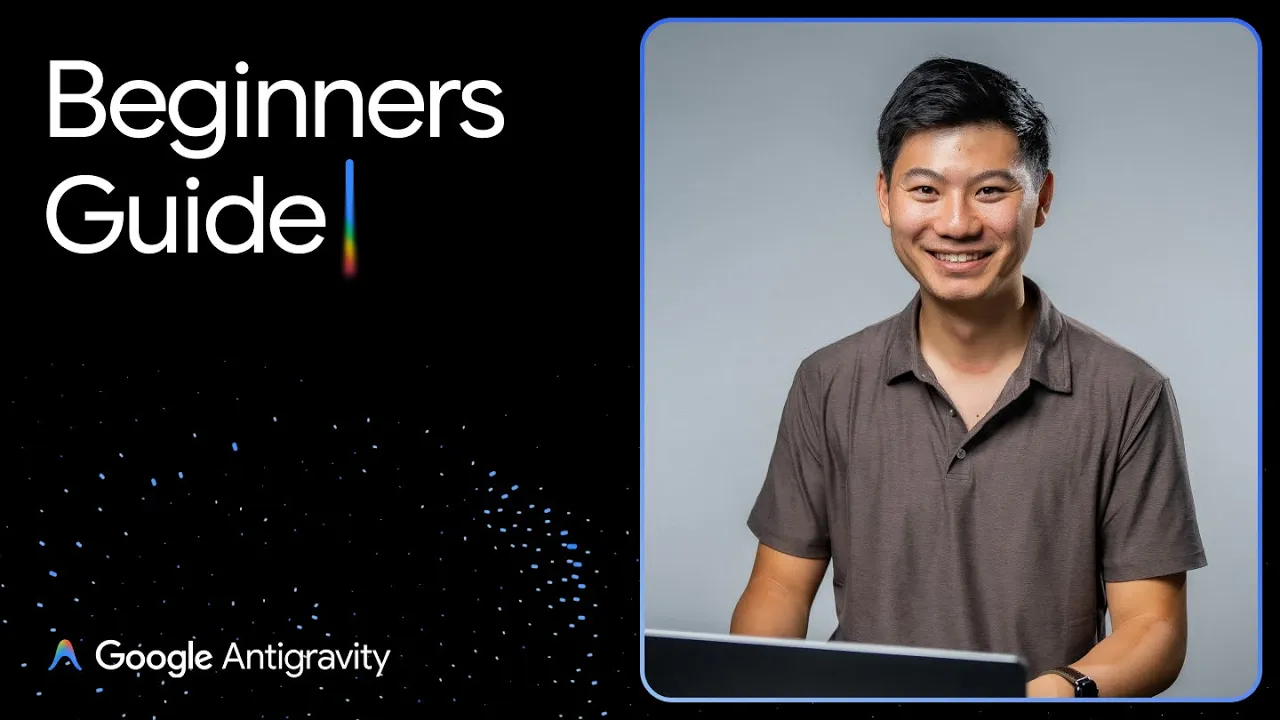
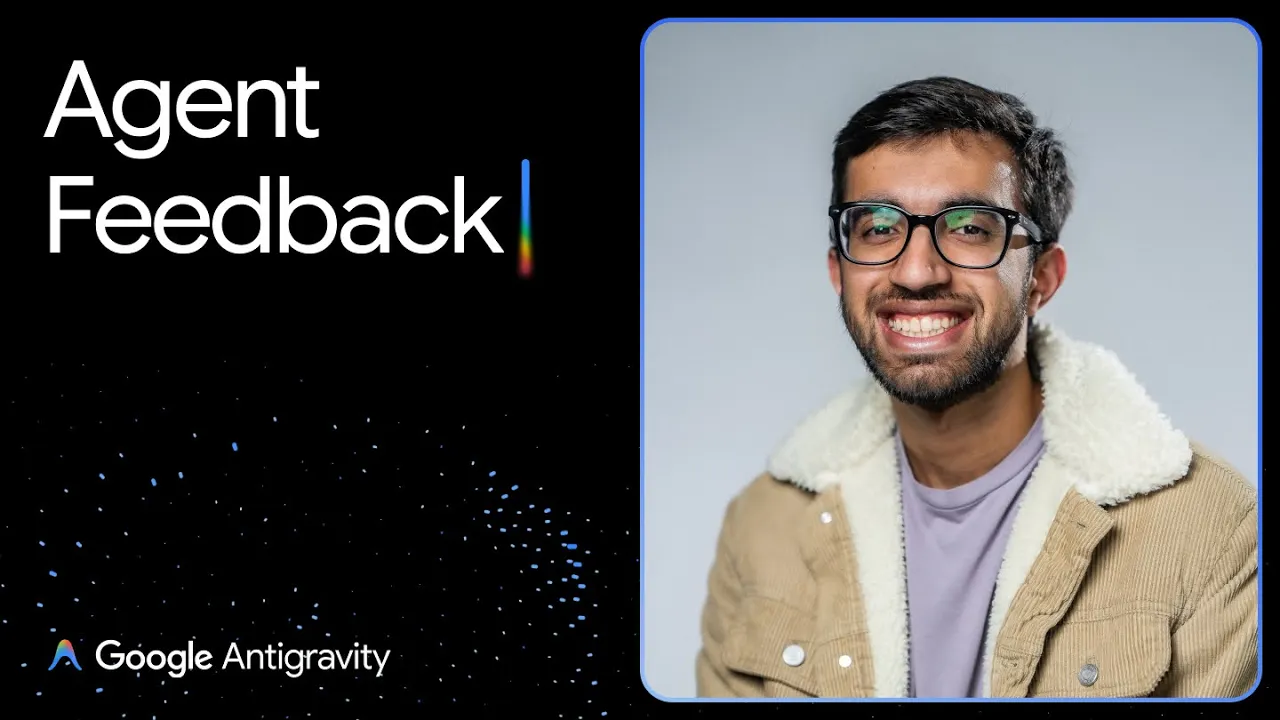
I led the content: ideation, scripts, footage, and editors. The teaser paired Sergey Brin with our own engineers and turned Varun’s return to social into the moment. The launch video put the original Windsurf team on camera to prove the agent-first claim directly, leaning into Antigravity’s gravity theme (we even got a couch to levitate on set) and the team’s own startup humor, so it felt scrappy and real even inside a company as big as Google. The beginner’s guide gave people a full first look at building in Antigravity from scratch, letting curious developers feel the product’s value before they ever downloaded it. We leaned into our own engineers as insiders, starring them in short use-case videos that showed people what Antigravity could look like for them, whether they were a front-end developer or a product manager.
Result
6 million views on the teaser, a million more from people who just wanted to understand it first.
The teaser hit 6M+ organic views on X within 72 hours. The beginner’s guide reached about 1M views on YouTube on its own and led to real product adoption. The use-case videos also lived on the website, giving the marketing site richer content: people could browse, see specific use cases, and get a sense of how Antigravity could work in their own lives. Together, the launch built the credibility and hype Antigravity needed in its very first public moment.
Next
Project.
Each project shows how I approach design, structure, and development.

