

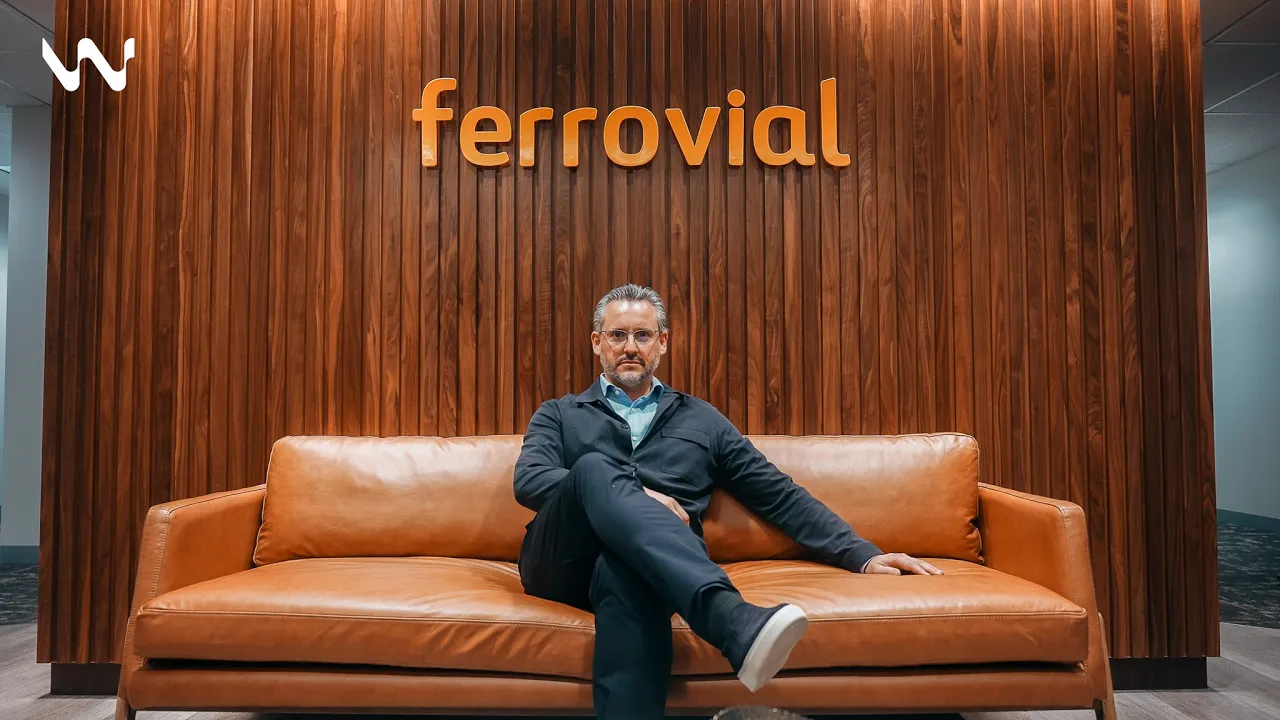
Ferrovial: Digital Twins For Infrastructure
How a $44B infrastructure giant uses Windsurf-built digital twins to de-risk billion-dollar builds before breaking ground.
A $44B infrastructure giant. A startup’s agentic code editor, punching above its weight class.
Ferrovial builds the highways, airports, and stadiums the physical world runs on. One construction mistake there can cost millions, or a life. They use Windsurf to build a digital twin first, simulating the design and construction before a single shovel breaks ground.
Challenge
One week. A stage in Paris. A story that didn’t exist yet.
I had one week before RAISE Summit, the world’s stage for enterprise AI, and we’d never told an enterprise customer story before. My only lead: Ferrovial’s CIO happened to be in Austin for a matter of days. Miss that window, and I had no story to tell in Paris.
Solution
Align first. Then move as fast as humanly possible.
A couple of days before we even flew out, I worked cross-functionally with our enterprise marketing lead and Ferrovial’s own leadership to align on the story: what we were saying, and why, before a single flight was booked. Once that was locked, I packed the gear, flew to Austin, and shot the interview the next morning. I started cutting the footage that same day, then pulled a late night back at the office to finish it. Because everyone already agreed on the story, editing became pure execution. Just getting it done, fast.
Result
Our first enterprise story, and the start of a system.
It premiered at RAISE Summit in Paris in front of a room of enterprise and AI leaders. What stuck with Ferrovial’s own CIO was how fast a small team could move without sacrificing quality or professionalism. A companion blog post followed, and the video became sales material for prospecting into infrastructure and other physical-world industries. It was the first building block of what Windsurf’s industry marketing pillars would become. And underneath all of it was the real story: Ferrovial’s own engineers had found Windsurf on their own, then it spread to teams beyond engineering, a grassroots signal that the roles in software development are starting to collapse, and that products like Windsurf are starting to empower people who were never “engineers” to begin with.